Knit Fabric Manufacturer Since 2009 · China
Knit Fabric Manufacturer Since 2009 · China

PIQUE KNIT · FABRIC SOURCING
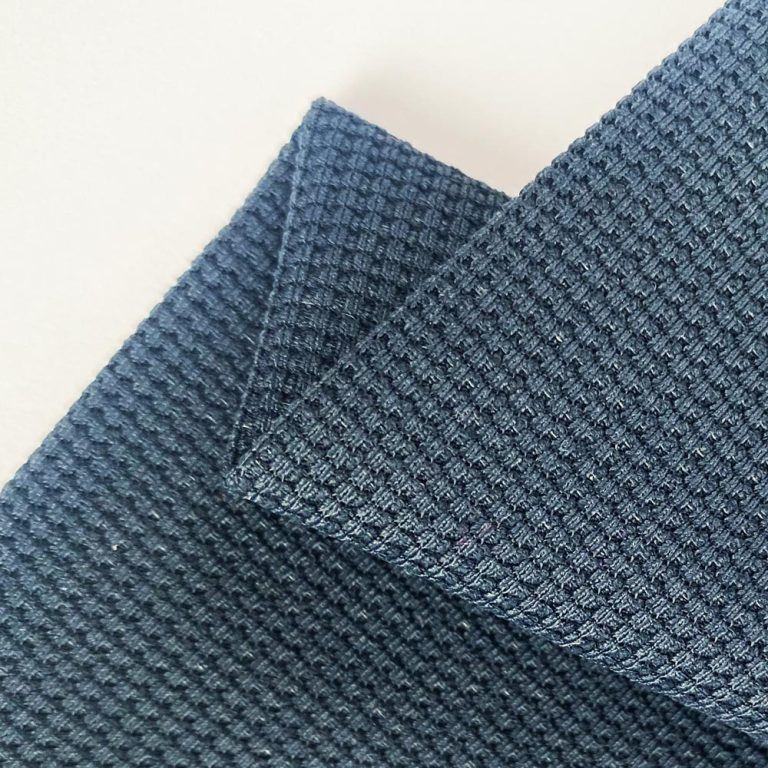
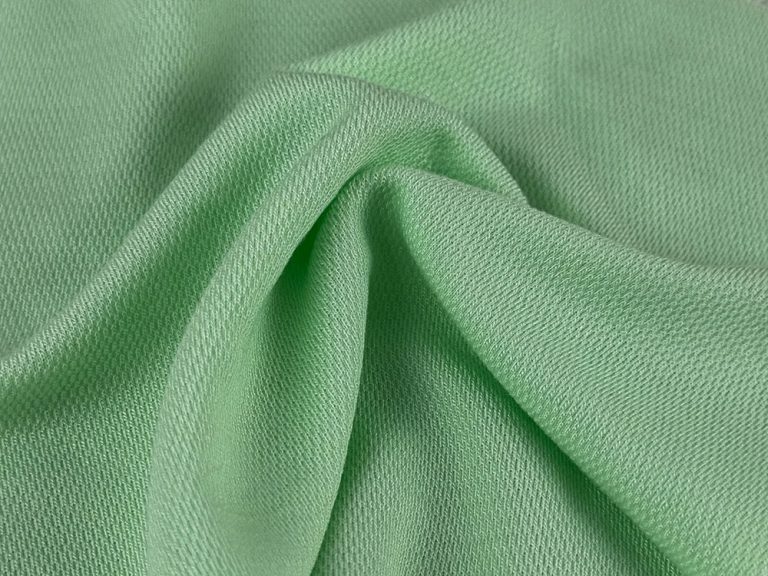
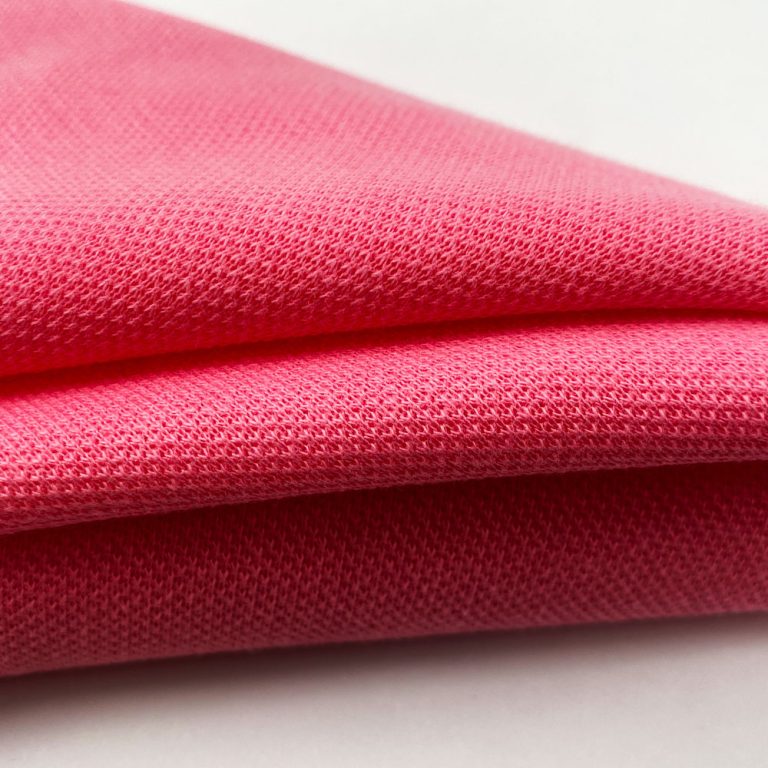
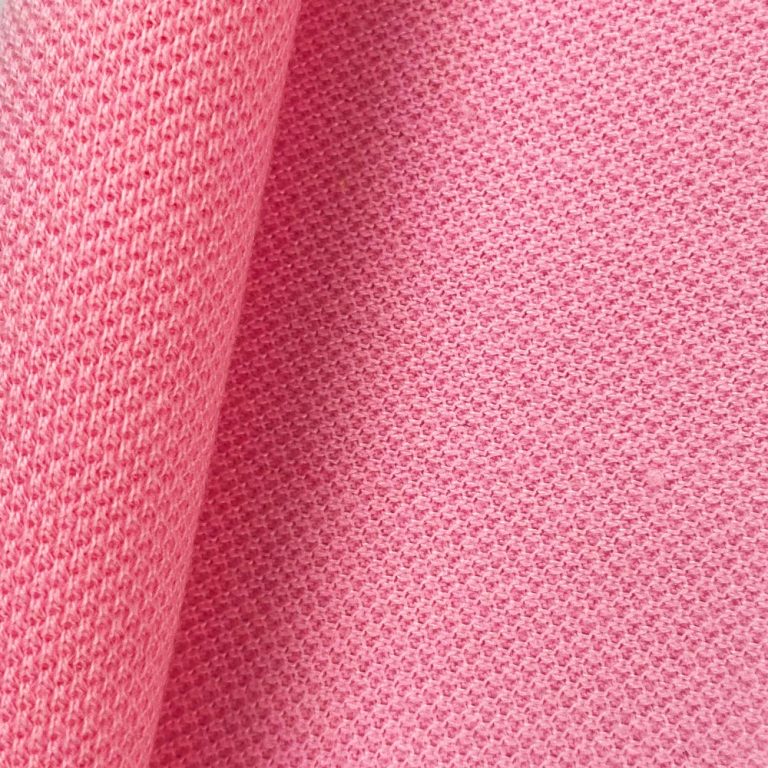
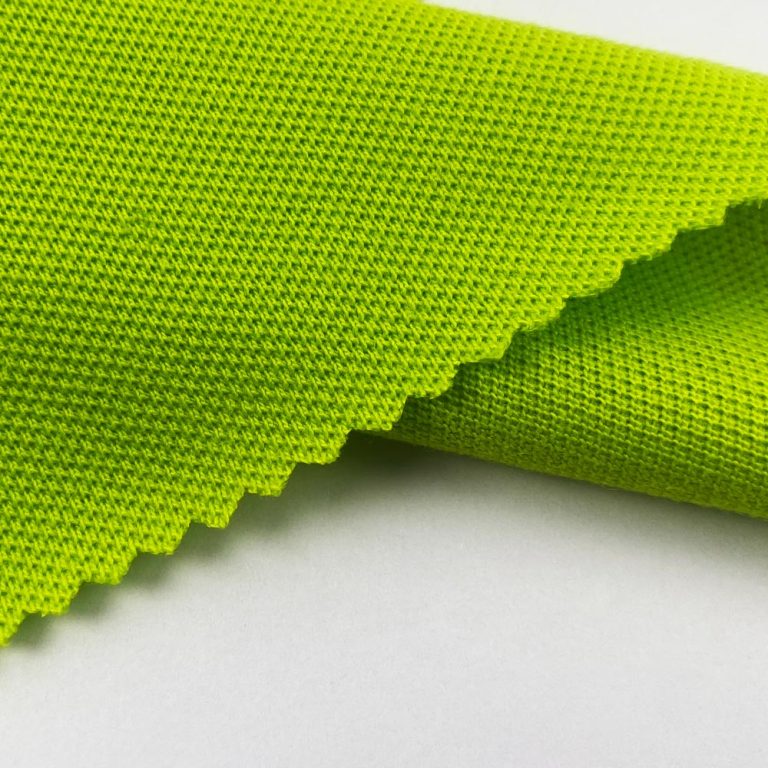
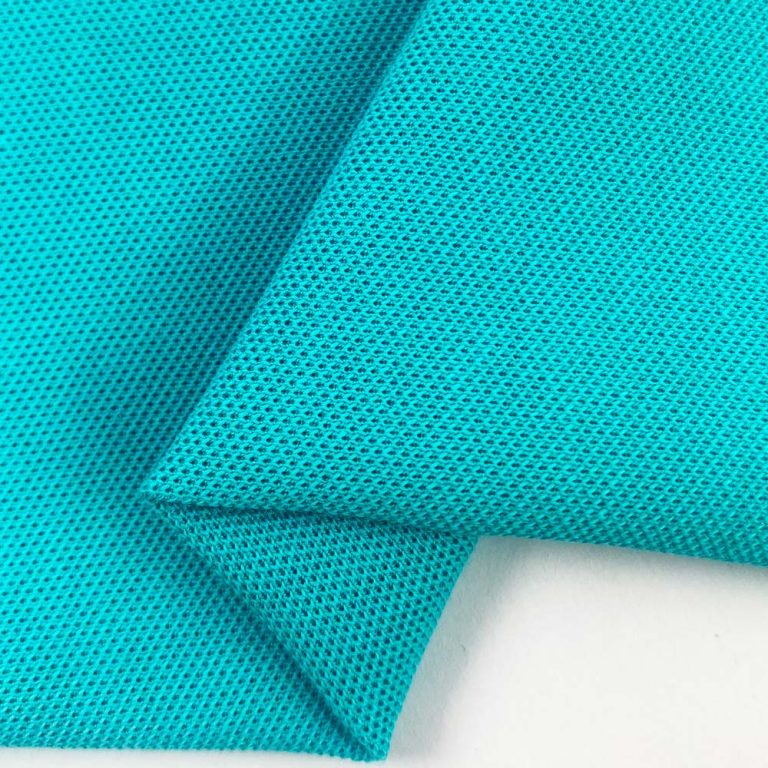
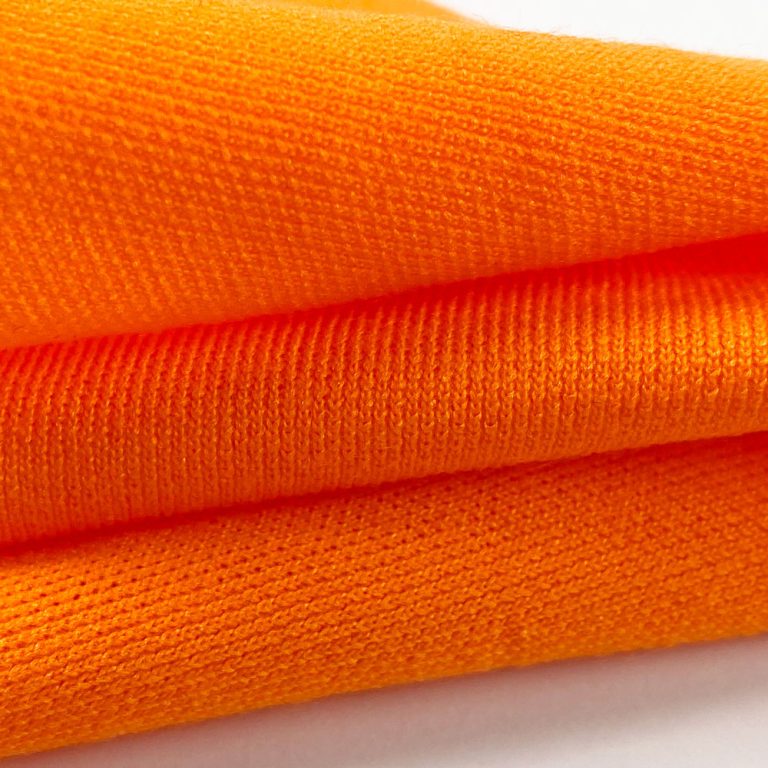
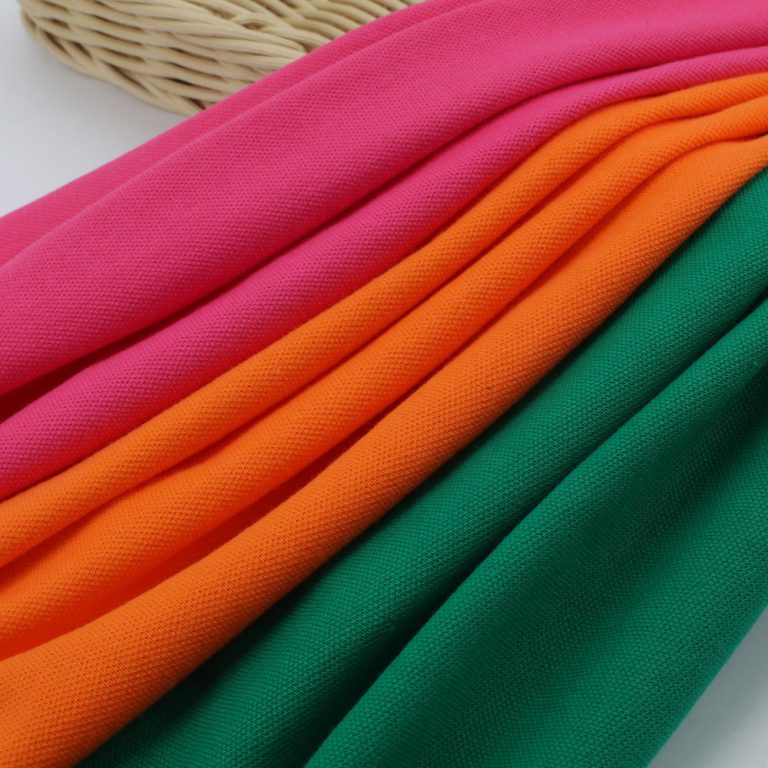
Runtang Textile manufactures pique knit fabrics for polo shirts, team and uniform wear, textured T-shirts and polo dresses. Choose cotton/polyester, pure cotton, cotton/spandex or quick-dry polyester pique in single and double pique. Stock orders start at 1 roll (~23 kg) per colour; custom colours start at 200 kg per colour.
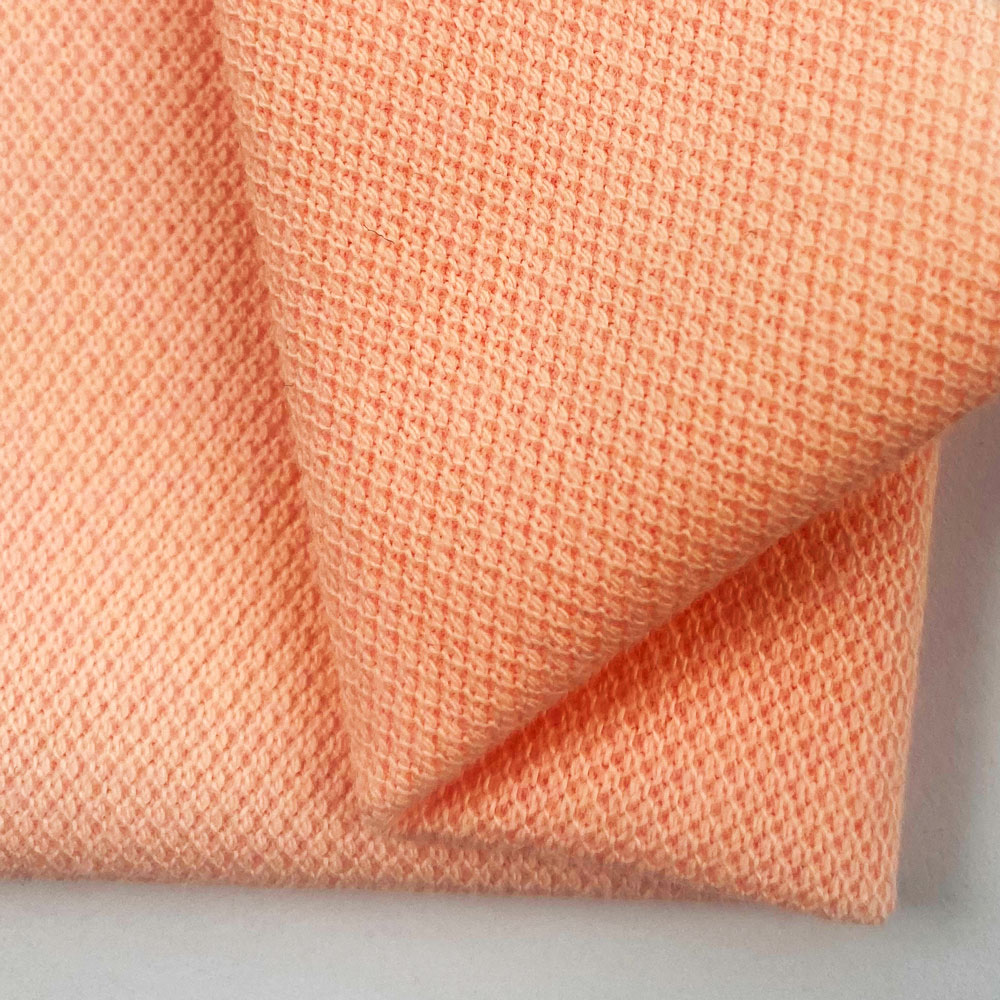
Pique Knit Fabric for apparel brands, garment manufacturers and fabric sourcing teams.
Explore our online pique knit range, backed by a library of 323 options.
Item No.
Item No.
Item No.
Item No.
Item No.
Item No.
Item No.
| Item | Composition | Weight | Width | Details |
|---|---|---|---|---|
| KF3292 | 44.7% cotton / 55.3% polyester | 220 GSM | 72/74 | View specifications |
| KF3278 | 60% cotton / 40% polyester | 210 GSM | 72/74 | View specifications |
| 1943# | 65% cotton / 35% polyester | 210 GSM | 72/74 | View specifications |
| KF3291 | 62% cotton / 38% polyester | 250 GSM | 72/74 | View specifications |
| KF3289 | 35% cotton / 65% polyester | 170 GSM | 72/74 | View specifications |
| KF3288 | 35% cotton / 65% polyester | 200 GSM | 72/74 | View specifications |
| KF3287 | 35% cotton / 65% polyester | 220 GSM | 72/74 | View specifications |
| KF3284 | 55% cotton / 40% polyester / 5% spandex | 180 GSM | 72/74 | View specifications |
| 33070# | 100% polyester | 170 GSM | 72/74 | View specifications |
| KF3281 | 50% cotton / 50% polyester | 180 GSM | 72/74 | View specifications |
| KF3280 | Specification on request | 200 GSM | 72/74 | View specifications |
| KF3279 | 100% cotton | 200 GSM | 72/74 | View specifications |
| KF1171 | 52% cotton / 48% polyester | 250 GSM | 73/75″ (185/191 cm) | View specifications |
| KF1144 | 100% cotton | 200 GSM | 73/75″ (185/191 cm) | View specifications |
| KF1132 | 82% cotton / 14% polyester / 4% spandex | 280 GSM | 68/70″ (173/178 cm) | View specifications |
| KF970 | 95% polyester / 5% spandex | 220 GSM | 58/60″ (147/152 cm) | View specifications |
| KF875 | 95% cotton / 5% spandex | 180 GSM | 73/75″ (185/191 cm) | View specifications |
| KF874 | 95% cotton / 5% spandex | 210 GSM | 73/75″ (185/191 cm) | View specifications |
| ZD37012 | 95% polyester / 5% spandex | 120 GSM | 61″ (155 cm) | View specifications |
| 7003 | 100% polyester | 150 GSM | 72.8″ (185 cm) | View specifications |
Our fabric library includes 323 pique knit options. Contact us for more compositions, weights and colours for your collection.
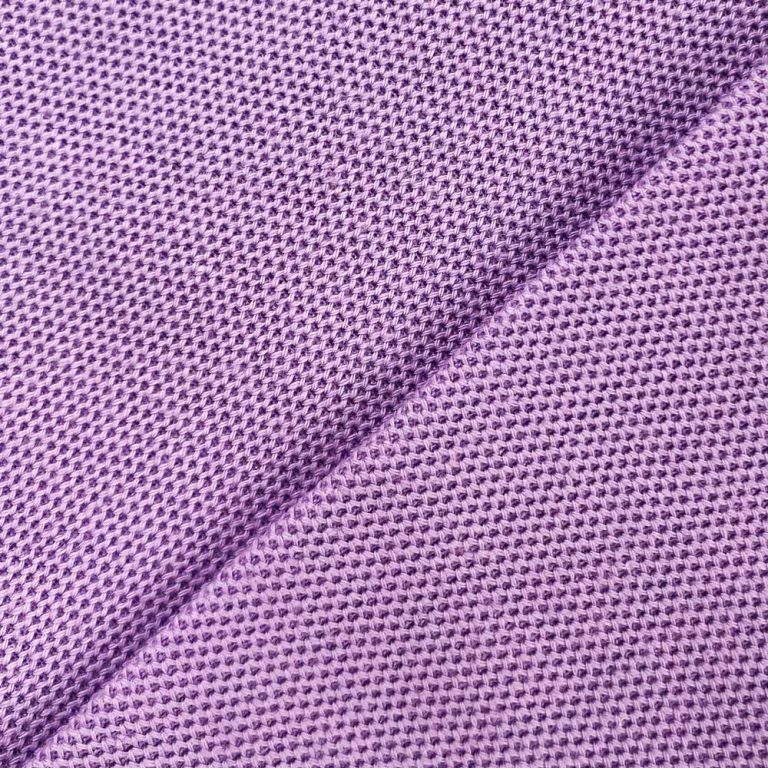
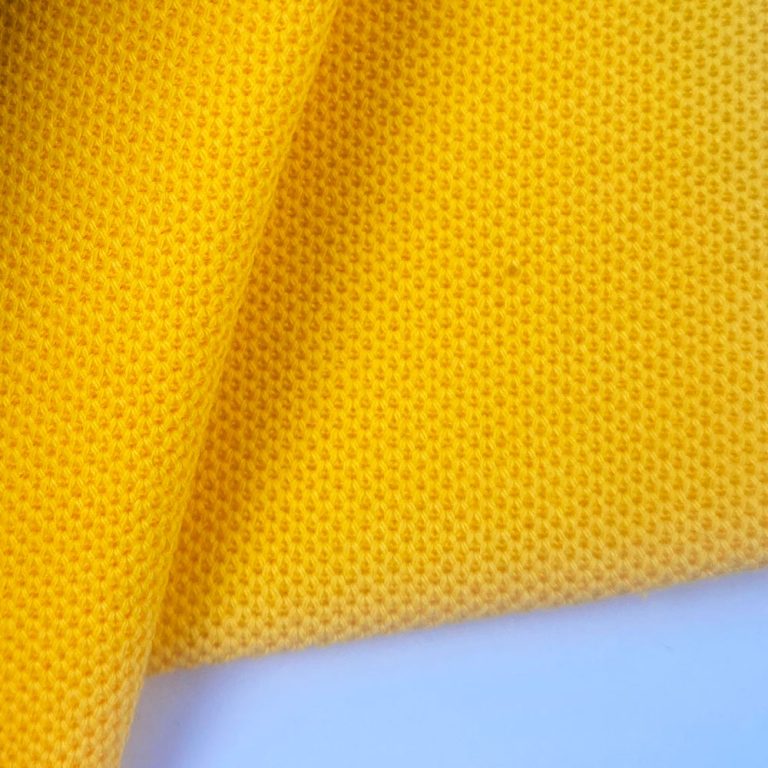
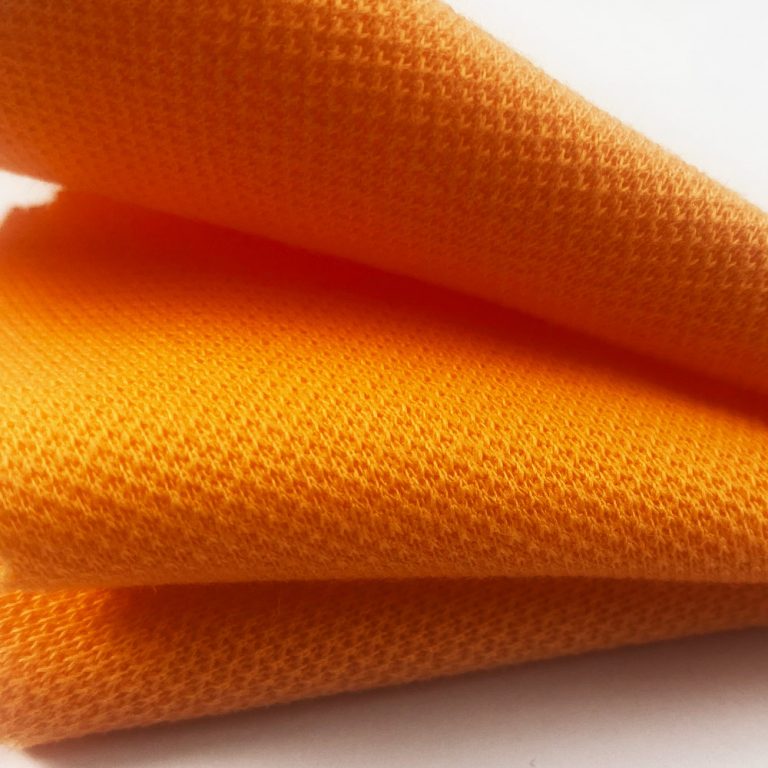
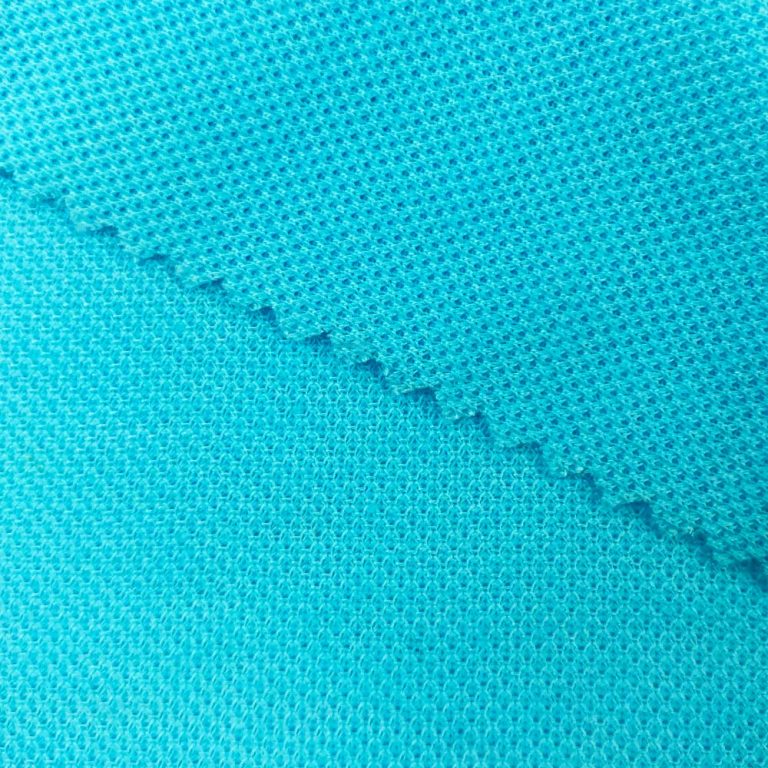
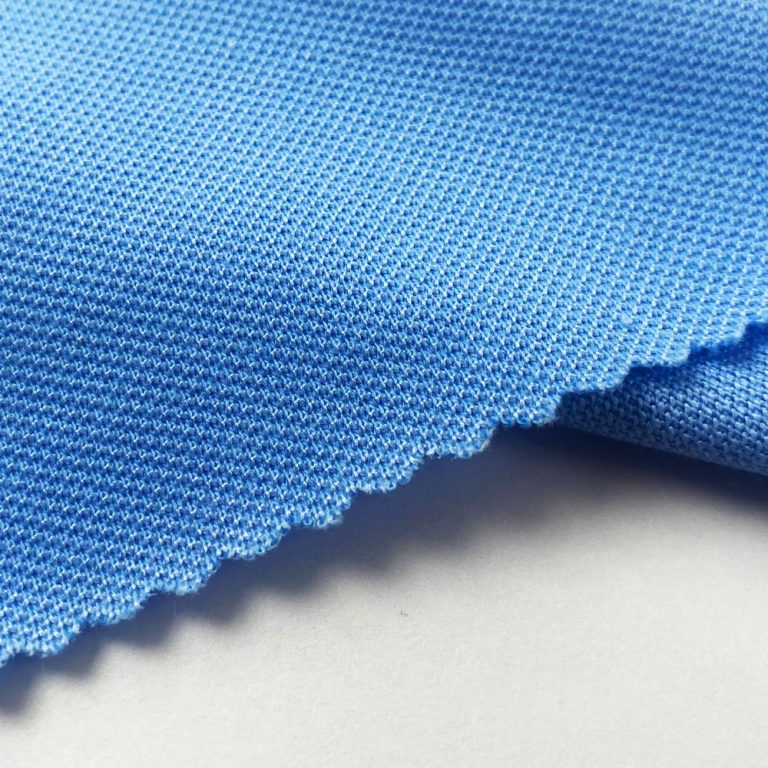
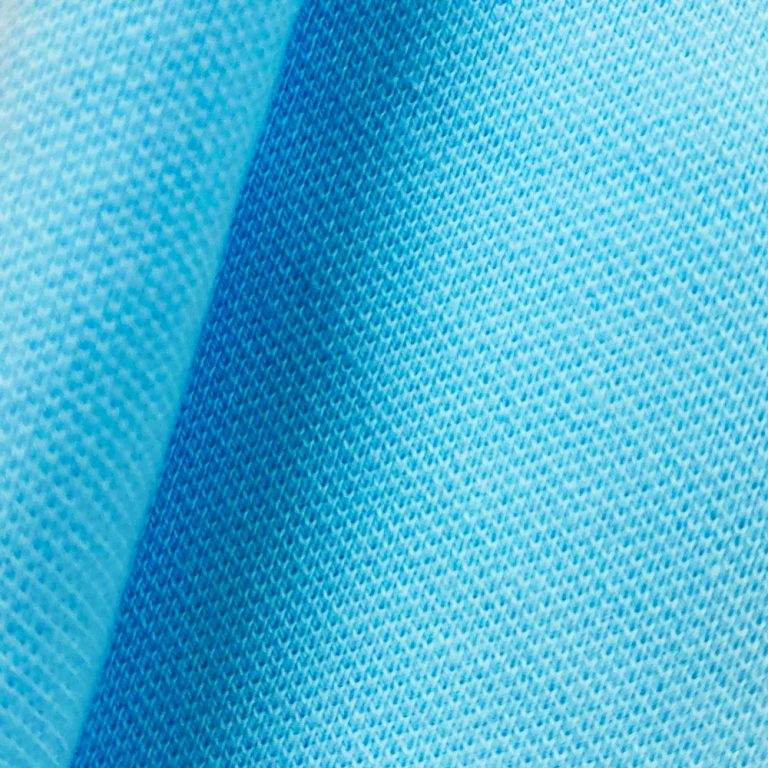
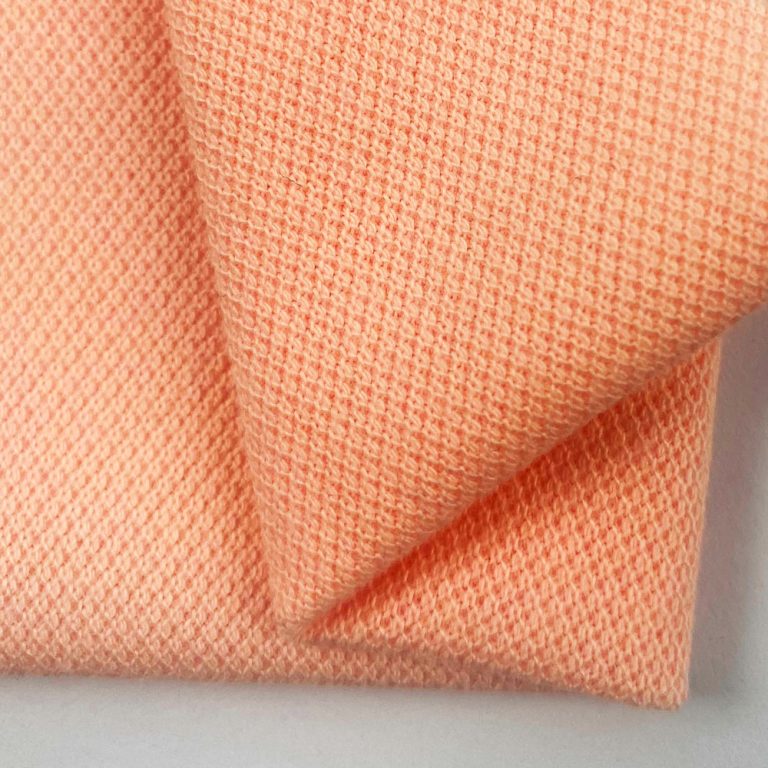
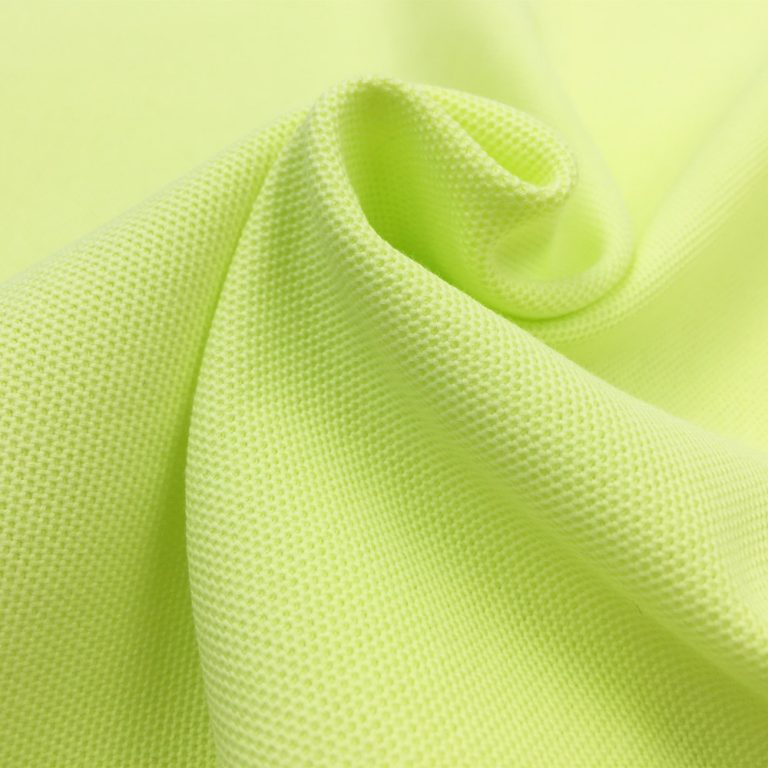
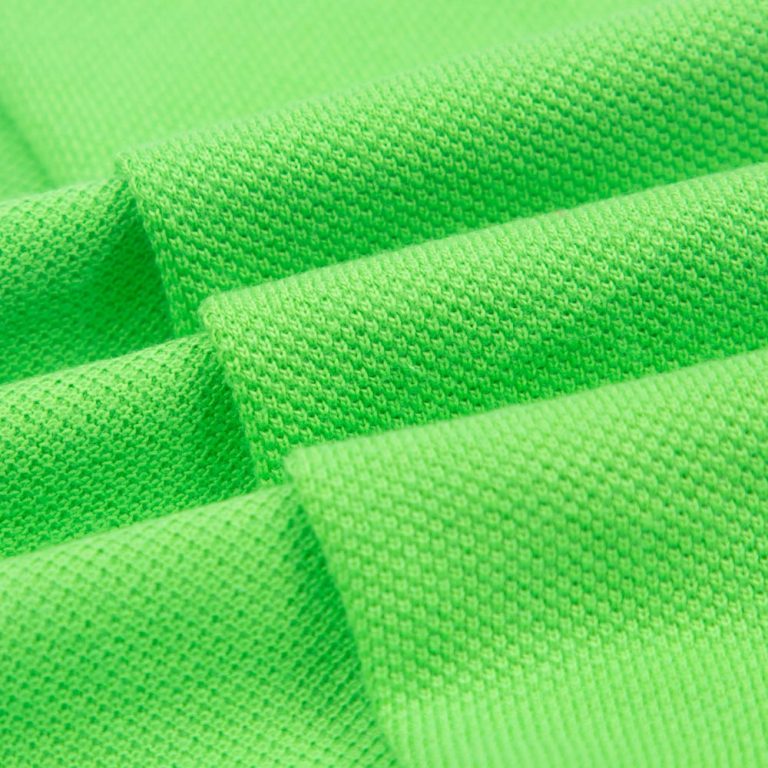
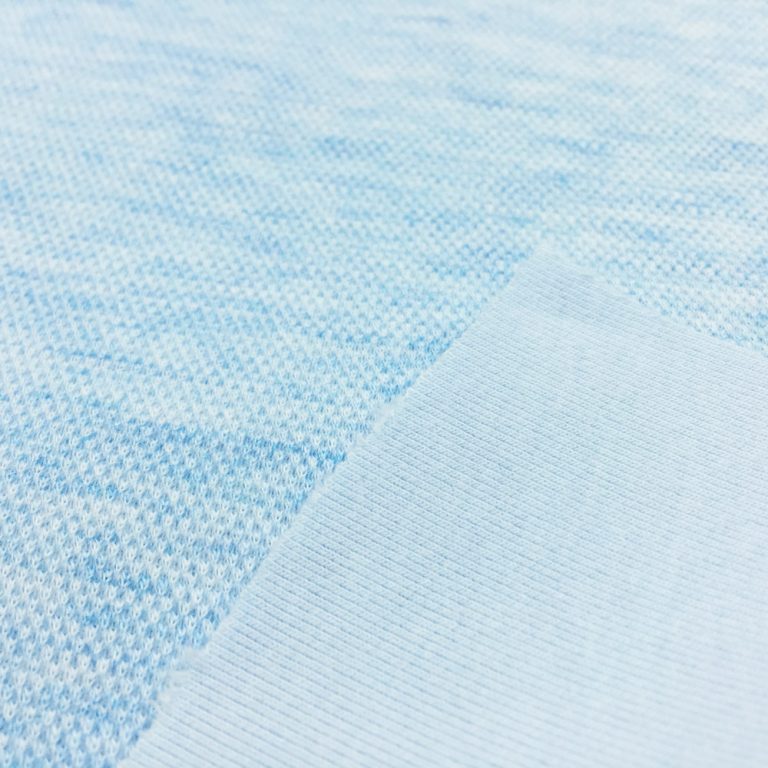
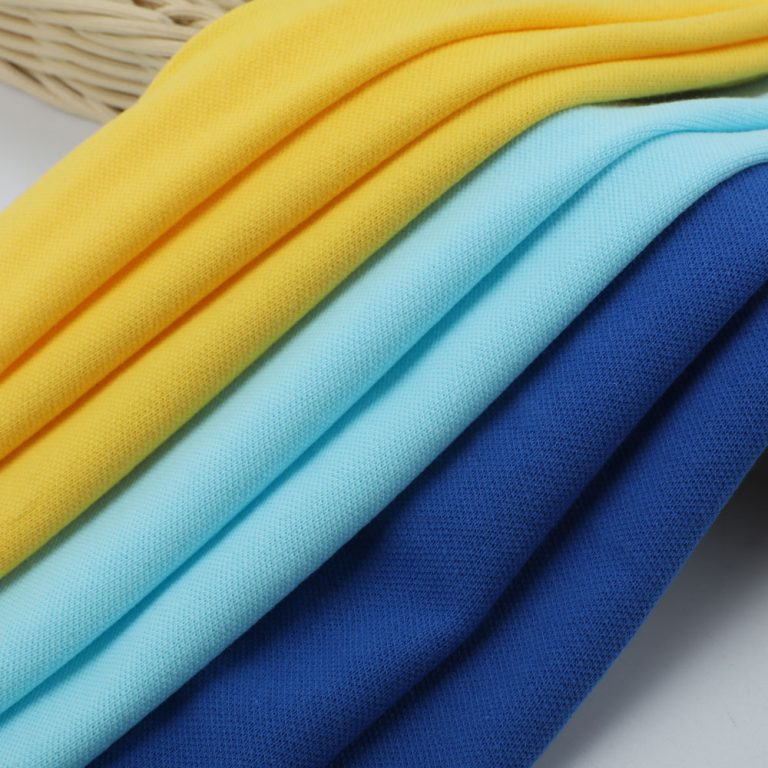
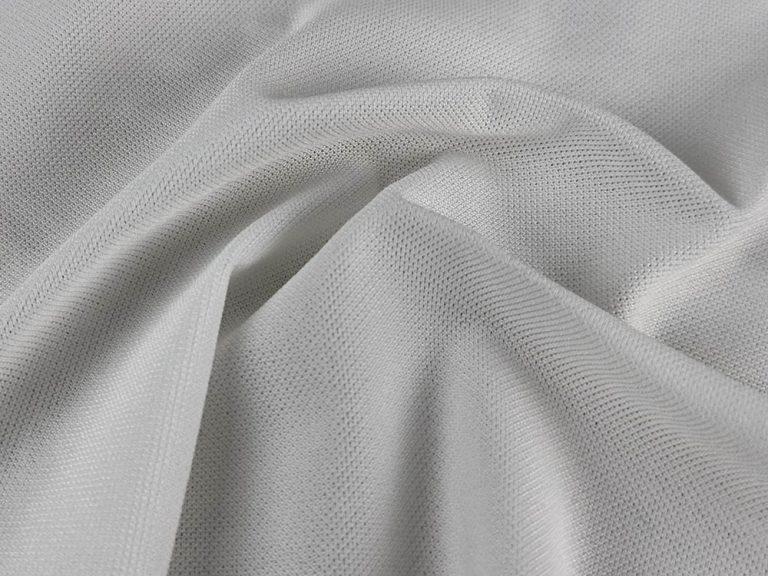
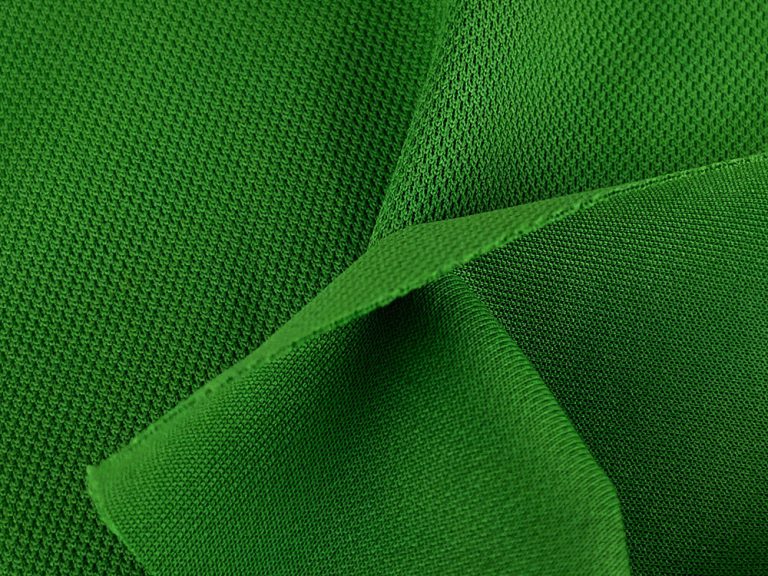
Pique knit fabric has a small raised pattern of cells, often described as honeycomb or waffle-like, created by tuck stitches. Single pique is knitted on one needle set and is the classic polo shirt fabric; double pique uses two needle sets, so it is fuller, neater on the reverse and slightly more stable. The texture lifts the fabric off the skin, which makes pique feel crisper and more breathable than smooth jersey, and it gives collars and plackets a smart, structured look. In our library, most pique weighs 200–280 GSM, and cotton/polyester is the largest blend, ahead of pure cotton. Pique is less stretchy than jersey, and pure cotton pique needs a shrinkage check before cutting collars and placket pieces.
Cotton/polyester and pure cotton cover most polo shirt qualities in our library; stretch and polyester piques serve fitted and performance styles.
| Fabric type | Fabric examples | Apparel applications |
|---|---|---|
| Cotton/polyester pique | 200–275 GSM, such as KF3278 (60% cotton / 40% polyester) at 210 GSM | Polo shirts, uniforms, T-shirts and polo dresses |
| 100% cotton pique | 200–260 GSM, such as KF1144 and KF3279 at 200 GSM | Classic polo shirts, promotional and team T-shirts |
| Cotton/spandex and cotton/polyester/spandex pique | 200–320 GSM, such as KF875 (95% cotton / 5% spandex) at 180 GSM | Fitted polos, polo dresses and casual trousers |
| 100% polyester and polyester/spandex pique | 150–225 GSM, such as 7003 (100% polyester) at 150 GSM | Performance polos, golf and sports tops |
Choose 150–225 GSM polyester pique for performance polos, 170–210 GSM cotton pique for promotional and team T-shirts, 190–240 GSM for classic polo shirts, and 240–340 GSM for polo dresses, casual trousers and sweat tops.
Below 200 GSM
14 qualities
200–299 GSM
30 qualities
300 GSM and above
6 qualities
Pique, jersey and interlock are the three usual bases for polos and smart tees. Compare surface, body and breathability.
| Feature | Pique Knit | Single Jersey | Interlock Knit |
|---|---|---|---|
| Surface | Small raised cells | Smooth V-stitch face | Smooth on both sides |
| Feel | Crisp and breathable | Soft and fluid | Soft, smooth and full |
| Collar and placket look | Structured and sporty | Soft and casual | Smooth and refined |
| Typical weights in our library | 200–280 GSM | 165–230 GSM | 180–300 GSM |
| Typical garments | Polo shirts, team wear and polo dresses | T-shirts, tops and loungewear | Premium tees, dresses and base layers |
Xiwen Zhang, our co-founder and CEO, recommends these pique weights and blends for the polos and casual pieces our customers develop most often, drawing on our knit fabric experience since 2009.
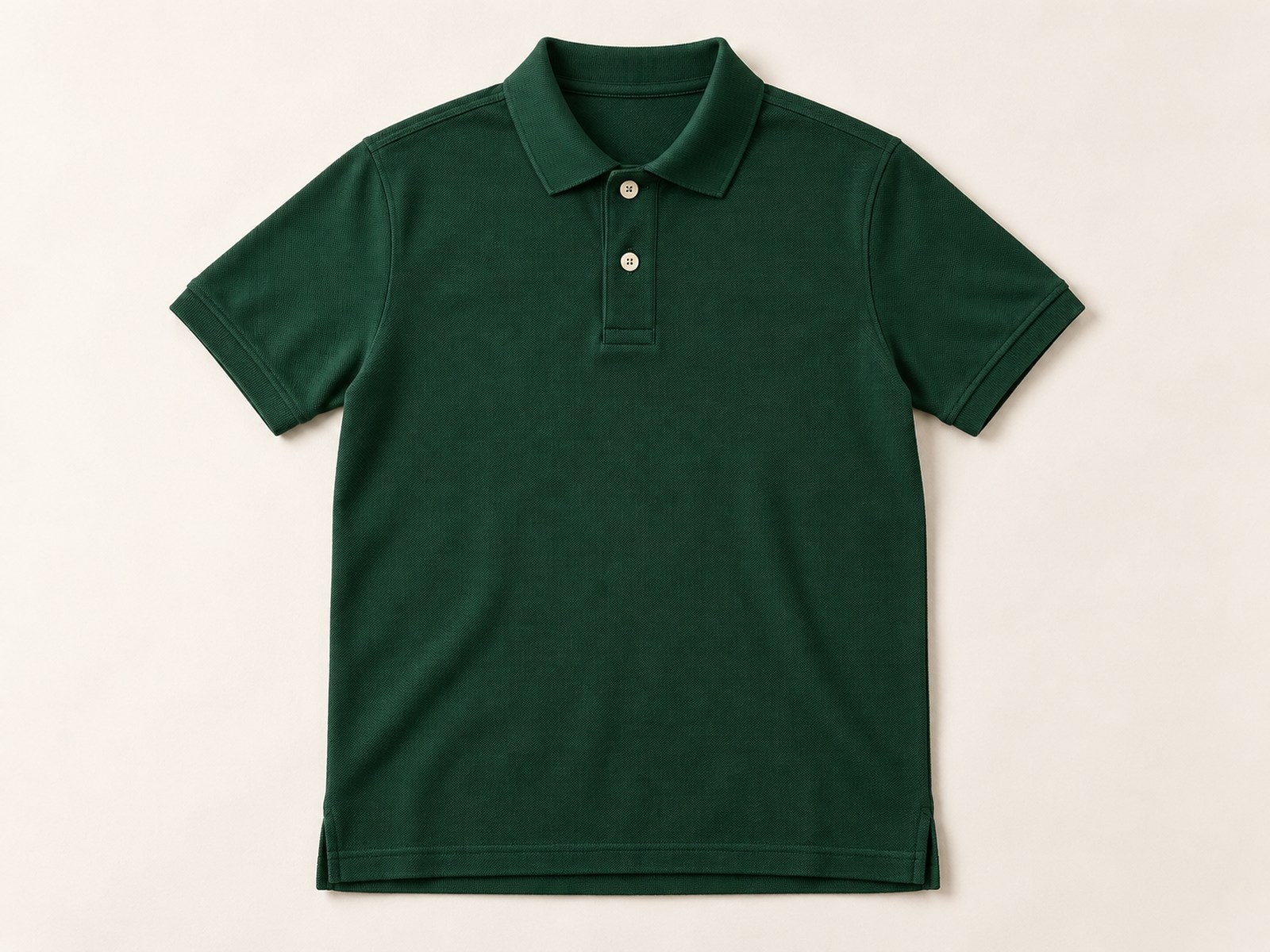
THE ORIGINAL POLO FABRIC
190–240 GSM pique in cotton/polyester or pure cotton works well for classic polo shirts. Polo shirts are by far the largest use for pique in our library. Cotton/polyester is the practical choice for polos that are washed often; pure cotton gives a softer, drier hand.
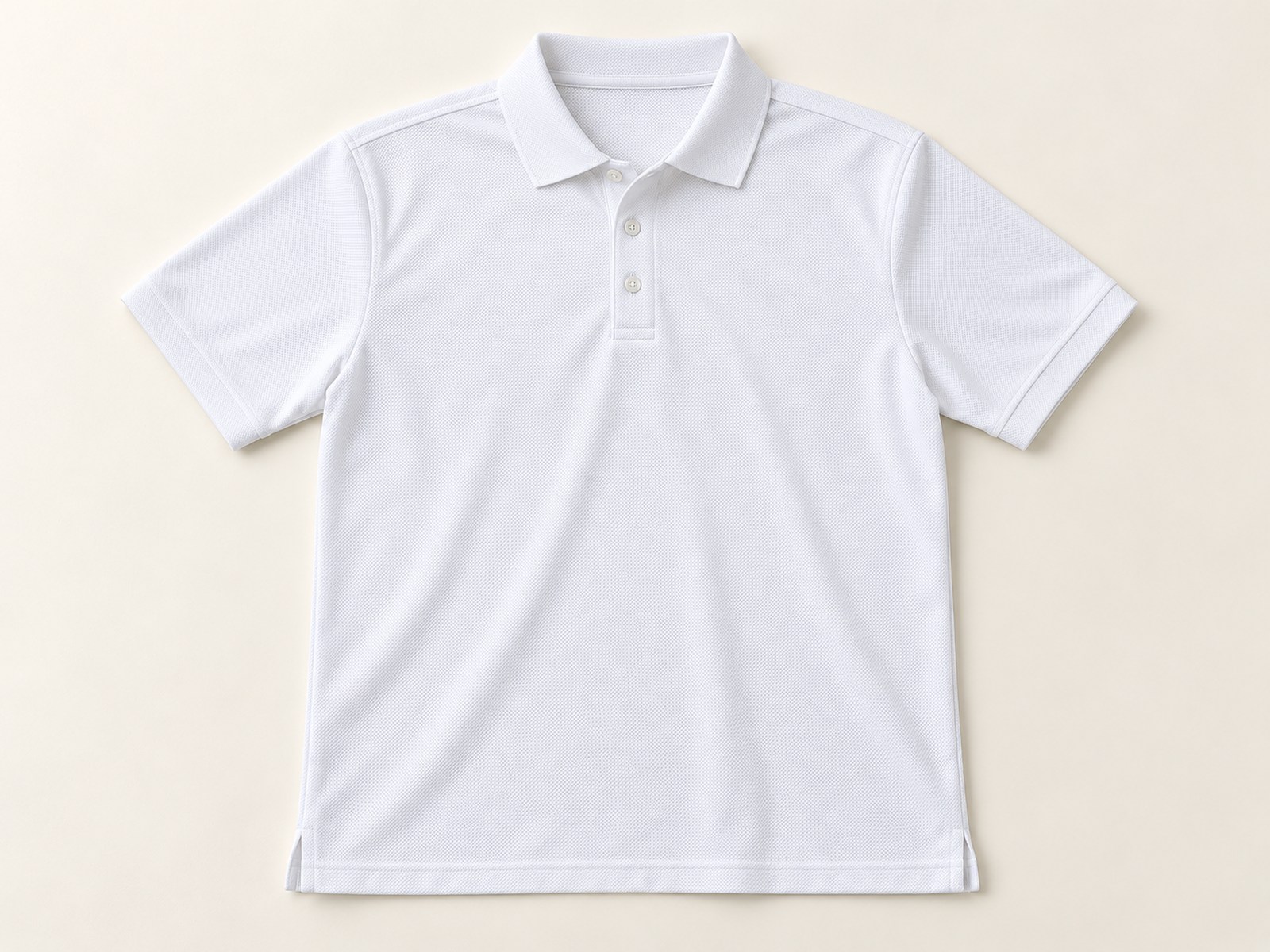
QUICK-DRY FOR THE COURSE AND COURT
For golf, tennis and team performance polos, start with 150–225 GSM polyester or polyester/spandex pique. Polyester absorbs little moisture and dries quickly, and a fine cell keeps the shirt light. Add spandex for a fitted athletic cut.
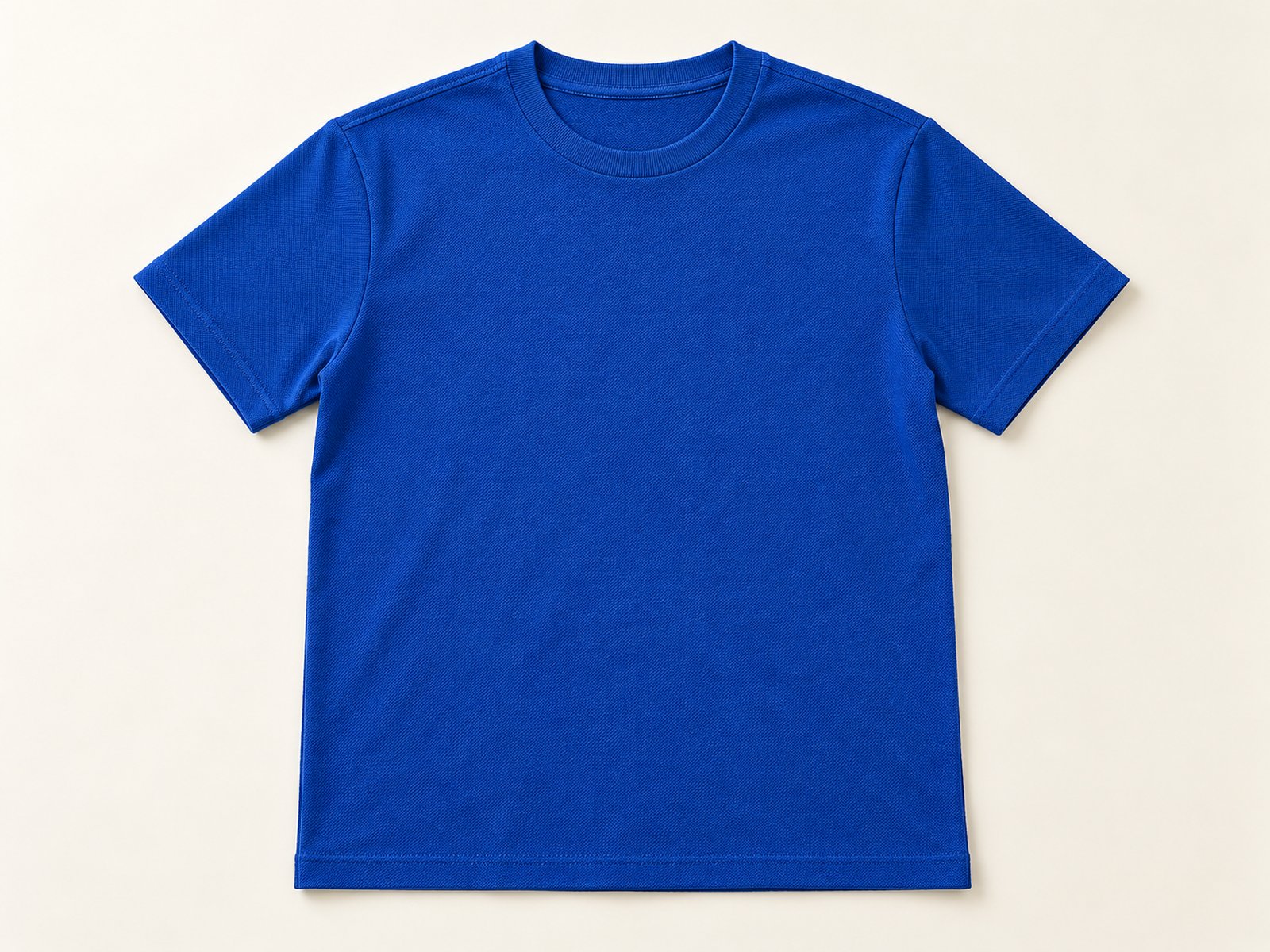
ONE FABRIC FOR THE WHOLE TEAM
Choose 170–210 GSM cotton or cotton/polyester pique for uniform, team and promotional T-shirts. It looks smarter than plain jersey in logo programmes and can be ordered in the same colour as matching polo shirts.
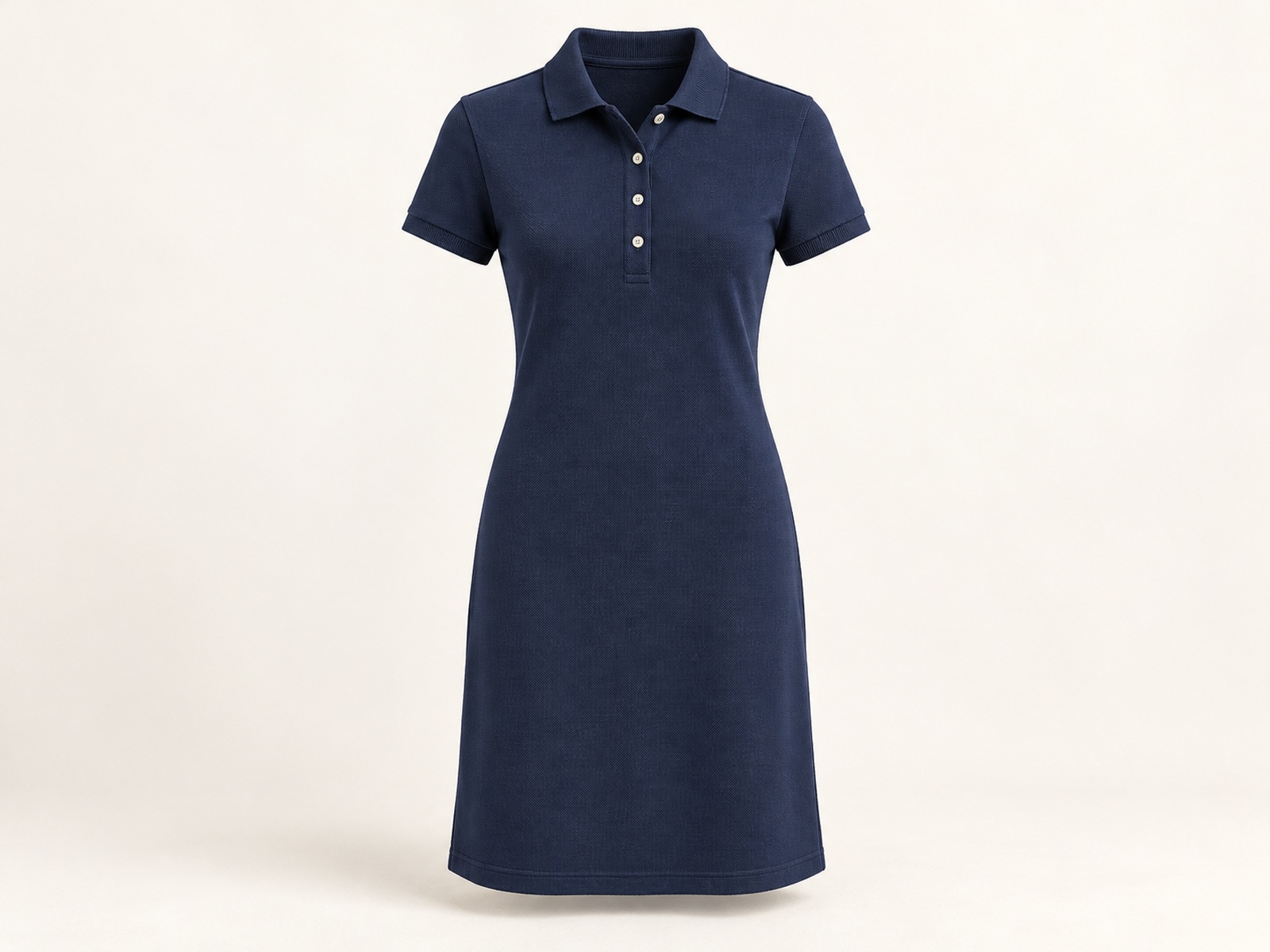
A POLO, EXTENDED
For polo dresses and pique shirt dresses, start with 200–280 GSM cotton/polyester pique, adding spandex for a fitted waist. The weight lets the skirt hang neatly while the texture keeps the sporty polo look.
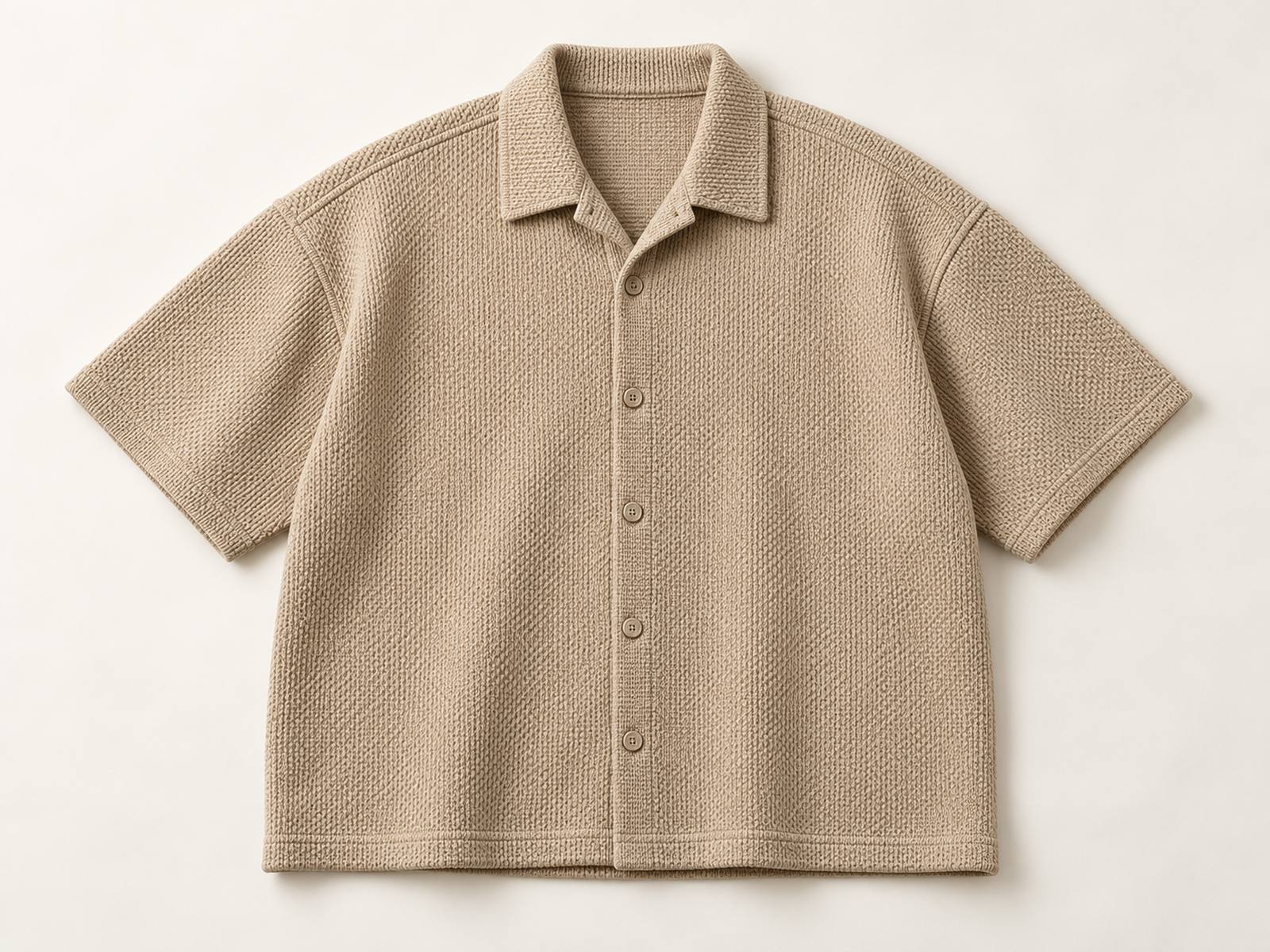
TEXTURE FOR RELAXED SHAPES
For streetwear tops and lightweight sweat tops, start with 215–340 GSM double pique in cotton/polyester. Heavier double pique gives a boxy shape more structure and a neater inside than single pique.
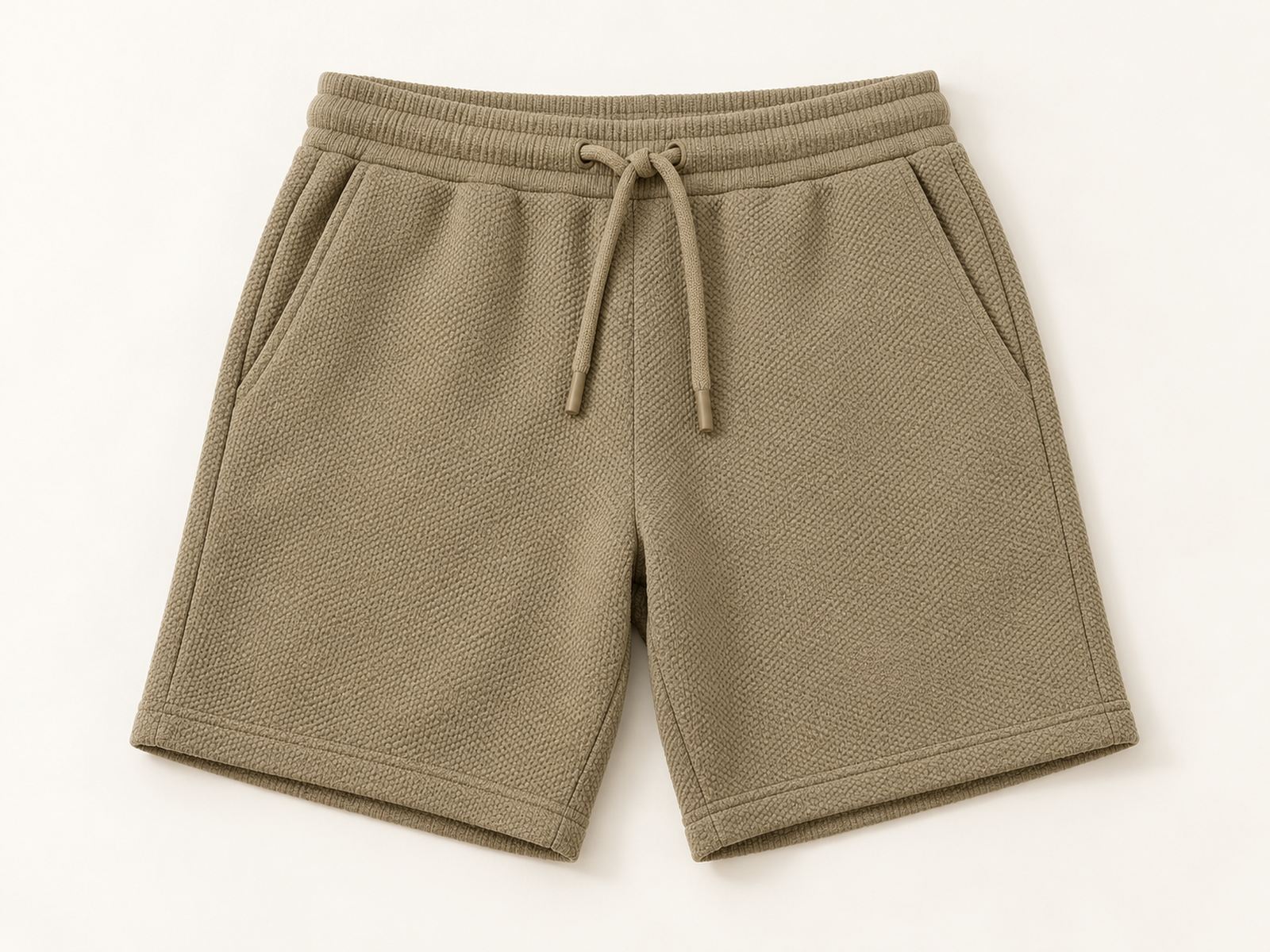
SMART CASUAL FROM THE WAIST DOWN
For pull-on trousers and shorts that match a polo, choose 240–340 GSM cotton/polyester pique, with spandex for slimmer legs. The texture hides creasing and pairs naturally with pique tops for coordinated sets.

The raised cell texture makes pique crisper and more breathable than smooth jersey, and it gives collars and plackets a structured, smart look. Most polo shirt pique in our library weighs 190–240 GSM.
Single pique is knitted on one needle set and has the classic polo texture on the face. Double pique uses two needle sets, so it is fuller, more stable and neater on the reverse, which suits heavier polos, polo dresses and trousers.
Choose cotton or cotton/polyester pique for everyday and uniform polos, and 100% polyester or polyester/spandex pique for sports and golf polos that need to dry quickly. Approve colour on a lab dip, especially for team colours.
Pilling and shrinkage are the lines polo specifications most often fail. Regular cotton pique at 200–260 GSM grades 3 and above for pilling in ISO 12945-1; where a specification asks for 4-5 at 10,800 revolutions, a cotton/polyester blend, combed or compact yarn or enzyme bio-polishing closes the gap. Add wet rubbing for dark team colours.
Stock fabric orders start at 1 roll (~23 kg) per colour. Custom-colour orders start at 200 kg per colour.
Compare complementary fibres and knit constructions for your next apparel collection.
Read practical guides to fibre blends, garment selection and knit construction.